

For food businesses, high order volumes can be both a sign of success and a source of pressure. Busy service periods demand speed, consistency, and coordination, and even small inefficiencies can quickly lead to delays, errors, or customer dissatisfaction. Whether operating a café, takeaway store, or restaurant, maintaining quality while meeting demand requires thoughtful systems and reliable workflows.
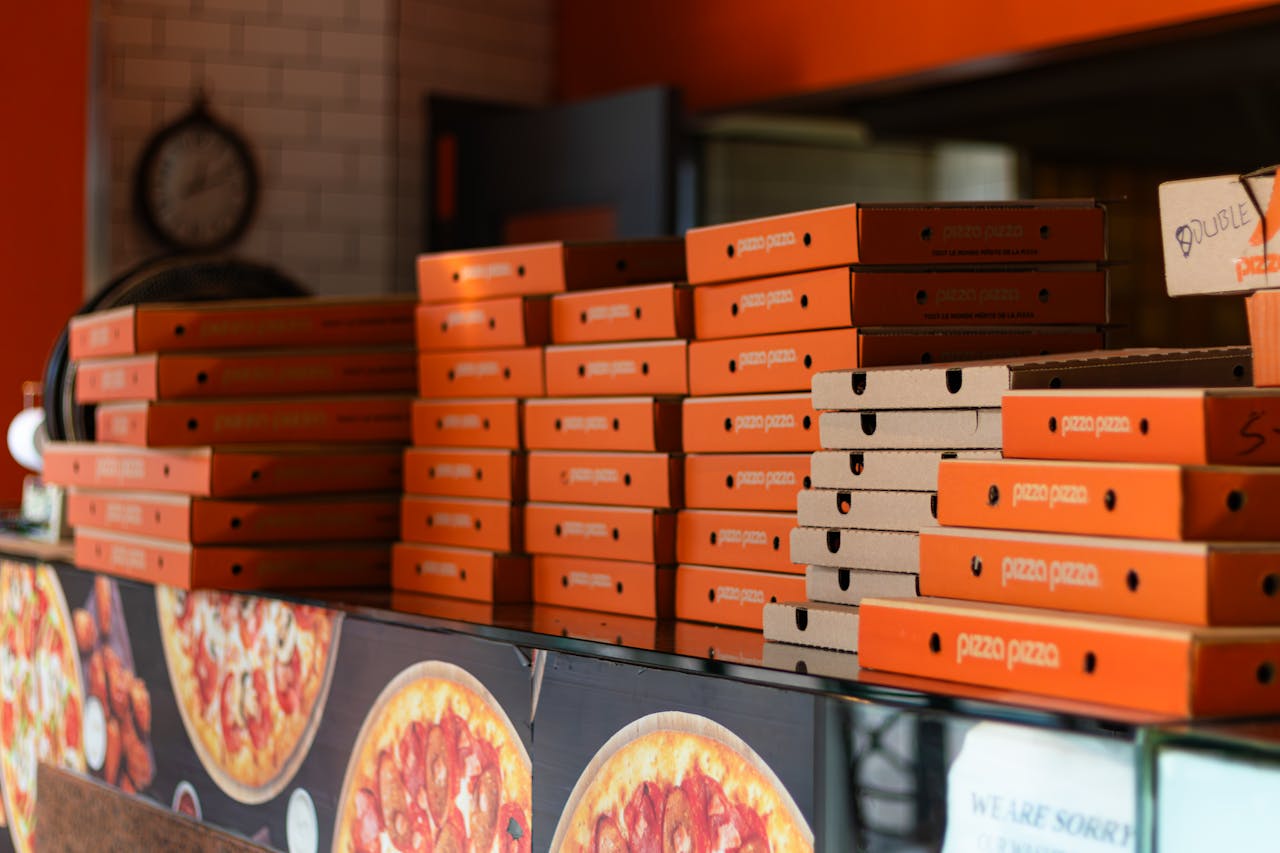
Many food operators streamline their processes by using dependable components such as frozen pizza bases, which reduce preparation time and help maintain consistency during peak periods. While no single solution guarantees smooth service, building efficiency into everyday operations allows teams to handle volume with greater confidence and control.
Designing Workflows That Reduce Bottlenecks
High-volume environments expose weak points in workflow. Congested prep areas, unclear task allocation, or poorly organised stations can slow down service even when staff are working hard. Mapping out how orders move from placement to completion helps identify where delays tend to occur.
Adjusting layouts, reassigning tasks, or reorganising prep zones can significantly improve flow. When each team member understands their role and the physical space supports movement, work becomes smoother and less stressful during busy periods.
Standardising Processes for Consistency
Consistency is essential when handling large volumes. Without standard procedures, quality can vary from order to order, and staff may waste time making decisions that should already be defined. Standardising recipes, portion sizes, and preparation methods reduces guesswork and speeds up service. Clear systems also make training easier. New staff can integrate more quickly when steps are documented and repeatable, helping maintain performance even during staff changes or seasonal rushes.
Preparing in Advance for Peak Periods
Preparation is one of the most effective tools for managing high demand. Anticipating busy periods and completing as much prep work as possible beforehand reduces pressure when orders begin to stack up. This might include portioning ingredients, organising packaging, or pre-assembling components.
Advanced preparation allows teams to focus on assembly and service during peak times rather than scrambling to complete basic tasks. The result is faster turnaround and fewer mistakes under pressure.
Using Reliable Ingredients to Save Time
Ingredient consistency plays a major role in efficiency. Products that require extensive preparation or vary in quality can slow down service and introduce errors. Reliable ingredients that perform the same way every time support smoother operations and predictable outcomes. By reducing variability in preparation, teams can move more quickly and confidently. This also helps maintain product quality, even when volume is high and time is limited.
Managing Orders With Clear Communication
High order volumes increase the risk of miscommunication between front-of-house and kitchen teams. Unclear instructions, missing details, or poorly organised order systems can lead to mistakes that disrupt service and waste resources.
Establishing clear communication channels and simple order tracking systems helps ensure everyone stays aligned. Whether using digital displays, printed tickets, or verbal callouts, clarity reduces confusion and keeps service moving.
Reviewing Performance and Adjusting Regularly
No system is perfect, especially as business volumes change. Regularly reviewing what worked and what didn’t after busy periods allows businesses to refine their processes. Small adjustments, such as shifting prep times or reorganising storage, can have a significant impact over time. Continuous improvement ensures operations evolve alongside demand. By remaining flexible and open to change, food businesses can build resilience and maintain efficiency as order volumes grow.
Building a Sustainable High-Volume Operation
Managing high order volumes successfully requires more than speed, it requires structure, preparation, and reliable systems. By designing efficient kitchen workflows, standardising processes, preparing in advance, and supporting staff, food businesses can handle pressure without compromising quality.
With thoughtful planning and consistent refinement, high volume becomes an opportunity rather than a burden. Efficient operations allow businesses to grow confidently while delivering the experience customers expect, even during their busiest moments.


